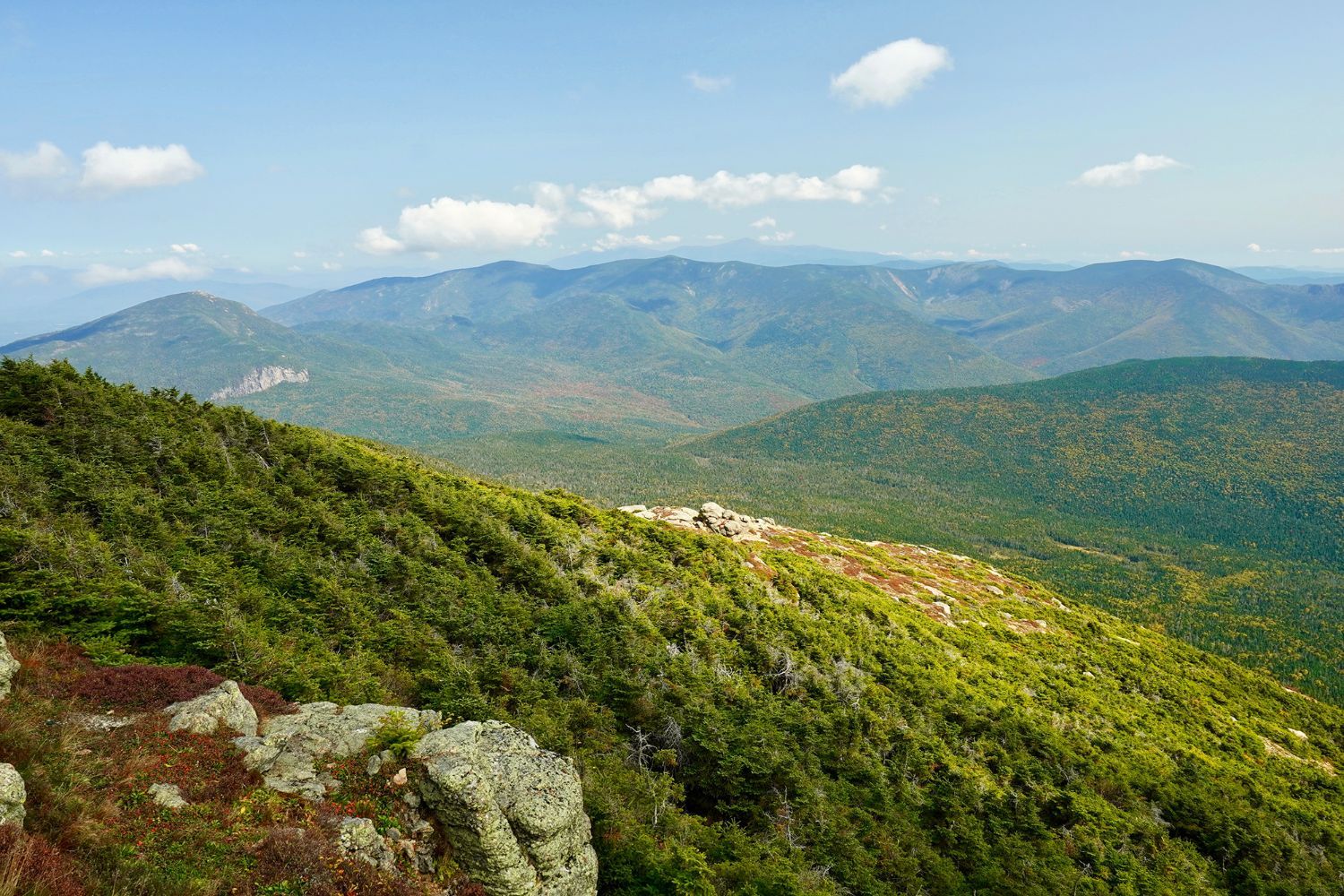
The Forest Service is accepting public comments through January 12 on a proposal to amend its Forest Plan in regards to wilderness trail management on the White Mountain National Forest in New Hampshire and Maine. The Forest Service is trying to do the right thing by addressing trail issues in Wilderness on the White Mountain National Forest, but Wilderness Watch and one of our local allies, Standing Trees, have some concerns about the proposed Wilderness Standard Forest Plan Amendment-Trail Management. Rather than amend its Forest Plan, the agency should instead consider trail relocations and new trails in Wilderness on an individual basis. The White Mountain National Forest includes six Wildernesses covering nearly 150,000 acres: the Pemigewasset, Great Gulf, Presidential Range-Dry River, Wild River, Sandwich Range, and Caribou-Speckled Mountain. Native wildlife such as moose, black bears, Canada lynx, fishers, beavers, white-tailed deer, coyotes, peregrine falcons, and bobcats call the mountains, hardwood and spruce-fir forests, and river valleys their home. The White Mountain National Forest and its Wildernesses are popular with hikers and skiers and have seen a lot of use in recent years. There are trailless zones in Wilderness on the White Mountain National Forest, and the current Forest Plan requires trails in Wilderness to be located within designated trail corridors. Trail corridors are 1000’ wide, with trails running through the middle of the corridor. Trailless areas protect plants and wildlife, keep Wilderness from being overrun by humans, and offer a truly primitive experience for those who venture there. The agency is proposing to change its Forest Plan to allow trail relocations outside of established trail corridors in Wilderness as well as allow user-created trails or new trails in these areas. The proposed change to the Forest Plan could allow trails to be built or relocated to currently trailless areas, likely diminishing the protection such areas provide now. The Forest Service has just one concrete proposal as of now to relocate a deteriorating trail—the Webster Cliff Trail—with a decision on that trail relocation expected this month. The Forest Service's only new example for trail relocation or a new trail concerns a user-created trail going to Owl's Head in the Pemigewasset Wilderness. Since new trail construction, adoption of user-created trails, and trail relocation outside of established trail corridors in Wilderness is an exception to the White Mountain National Forest’s Wilderness Plan, the Forest Service needs to conduct site-specific assessments for all trail relocations or new trails within Wilderness. This allows for better analysis of impacts to Wilderness. If the agency amends its Forest Plan, it may not consider all impacts to Wilderness from future trail relocations or additions to its wilderness trail system. Additionally, trail relocations in Wilderness could possibly happen within established trail corridors, making a Forest Plan amendment unnecessary. The Forest Service should not weaken wilderness protections in trailless areas by amending its Forest Plan to allow trails potentially throughout Wilderness on the White Mountain National Forest. The agency should first analyze and create a trail monitoring report and then consider trail management options. Doing so would include site-specific analysis, transparency, and a more informed commenting process. Additionally, the Forest Service should carry out all future trail work using traditional skills and tools rather than mechanized motorized equipment. Please speak up for Wilderness on the White Mountain National Forest by Monday, January 12. Submit your comments on the Wilderness Standard Forest Plan Amendment-Trail Management at: https://cara.fs2c.usda.gov/Public/CommentInput?Project=63551. Please write in your own words, but consider making the following points: |