On August 18, 2026, U.S. Department of Agriculture Secretary Brook Rollins announced the Trump administration’s proposed rule that would completely repeal the 2001 Roadless Area Conservation Rule.
The administration’s proposed rule and Draft Environmental Impact Statement (DEIS) would put over 44 million acres of roadless, wild National Forest System lands on the chopping block—potentially opening these wildlands up to road building, logging, mining, and other industrial development.
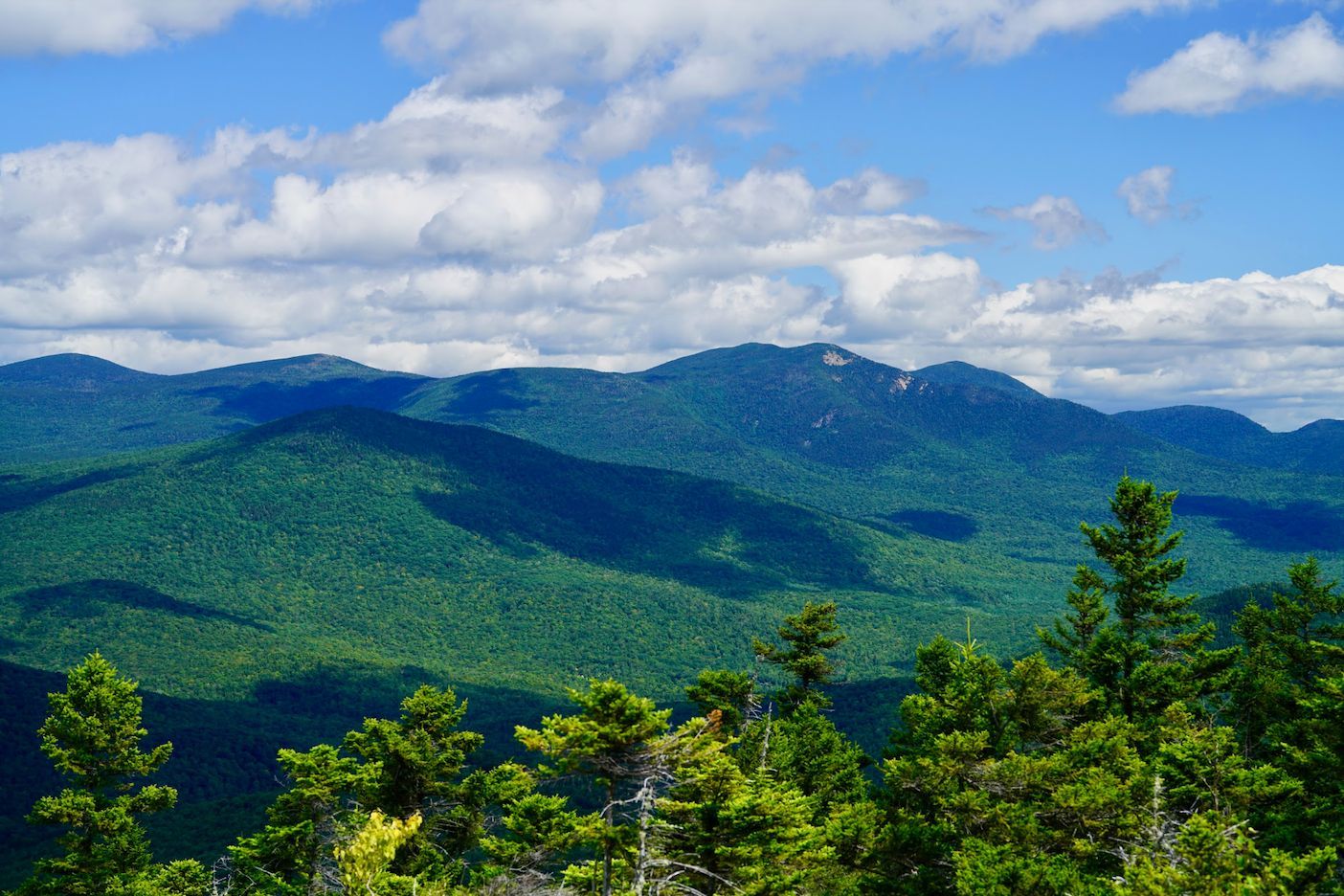
Roadless areas on national forests provide secure habitat for native wildlife, and offer excellent recreation, like camping, hiking, hunting, and more. Because many roadless areas abut designated Wildernesses, they also protect and enhance the value of those Wildernesses by keeping road-building and other industrial development farther away from Wilderness. And in the future, Congress may look to roadless areas for possible future wilderness designations, such as envisioned in the Northern Rockies Ecosystem Protection Act.
Unfortunately, even the 2001 Roadless Rule is not nearly protective enough. It contains numerous loopholes that allow some road-building, logging, and other industrial development under certain circumstances. In fact, in just Montana, the U.S. Forest Service authorized nearly 40,000 acres of logging in inventoried roadless areas under the 2001 Roadless Rule. This is a great example of why, rather than repeal the 2001 Roadless Rule, it should be strengthened to eliminate loopholes. |
|
Comments on the DEIS must be received by Tuesday, October 6 at the following link: https://www.regulations.gov/commenton/FS-2025-0001-223869
Use any or all of the following talking points, but please also speak in your own words about the importance of roadless areas. - I oppose rescinding the Roadless Area Conservation Rule. It has helped protect roadless areas, and adjacent Wilderness areas, on national forests for 25 years.
- If anything is done with the Roadless Area Conservation Rule, it should be strengthened to eliminate logging and roadbuilding loopholes and provide better protection to roadless areas and adjacent Wilderness areas.
- Roads fragment wildlife habitat. Existing roadless areas provide habitat for many threatened and endangered native species. Roadless areas also provide important migration corridors.
- Roads threaten high-quality streams and rivers. Dirt and sediment that runs off roads impairs habitat for fish and aquatic wildlife, and roads in steep, rugged country increase the risk of landslides that suffocate streams and rivers with mounds of mud.
- More roads will result in more human-caused fires in the backcountry. Research shows that more than 60 percent of human-caused fires on national forests in the Lower 48 states are ignited within 1/8-mile of the nearest road, and 95 percent are ignited within 1/2-mile.
- Roadless areas provide for recreation, like camping, hiking and backpacking, hunting and angling, wildlife viewing and photography, and other activities. Large sections of the Continental Divide, Pacific Crest, and Appalachian National Scenic trails cross protected roadless areas.
- The Forest Service already has a huge road system—stretching 380,000 miles, which is longer than the country’s highways—with an estimated maintenance backlog of over $8.6 billion.
|
|
Help us protect Wilderness around the country. A generous member has pledged to DOUBLE all first-time donations up to $30,000 this year. |
|