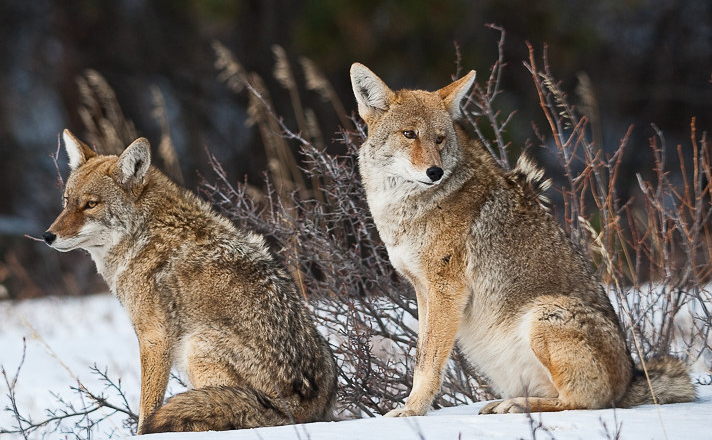
Together with our allies, we’ve just filed a new lawsuit challenging the U.S. government’s policy of allowing federal agents to kill native wildlife—including wolves, bears, mountain lions, and coyotes using poisons, traps, and aerial gunning—inside designated Wilderness. Our lawsuit targets a nationwide program run by the U.S. Department of Agriculture’s so-called Wildlife Services that authorizes taxpayer-subsidized “predator control” across millions of acres of public lands at the behest of the private livestock industry, including within Wilderness. Wildlife Services is the secretive wildlife killing program that has shot, trapped, and poisoned over one million native animals nationwide during just the past three years. In spite of the Wilderness Act’s mandate to preserve places “untrammeled by man,” and its prohibition on commercial services, the U.S. Forest Service and Bureau of Land Management are systematically authorizing the killing of native wildlife in Wilderness at the request of the heavily subsidized commercial livestock industry, which grazes domestic cows and sheep on our federal public lands. Wilderness Watch’s staff attorney, Dan Brister, had this to say in our media release: “Killing native species to appease the livestock industry violates the Wilderness Act. In Wilderness, Congress mandated that the Forest Service protect nature—not industry profits.”
Joining Wilderness Watch on the lawsuit are WildEarth Guardians and Western Watersheds Project. Our coalition is represented by Jennifer Schwartz of WildEarth Guardians. The lawsuit asks the court to find that the Wilderness Act prohibits “predator control” for commercial grazing operations in designated Wilderness, vacate the federal policies authorizing this killing, and permanently prohibit such practices going forward. Our work to stop Wildlife Services’ wilderness killing spree is just the latest example of how we’re fighting to defend Wilderness and the wildlife that call it home. Thank you for your continued support and please stay tuned for updates about this case and additional actions you can take to protect Wilderness and wildlife. |