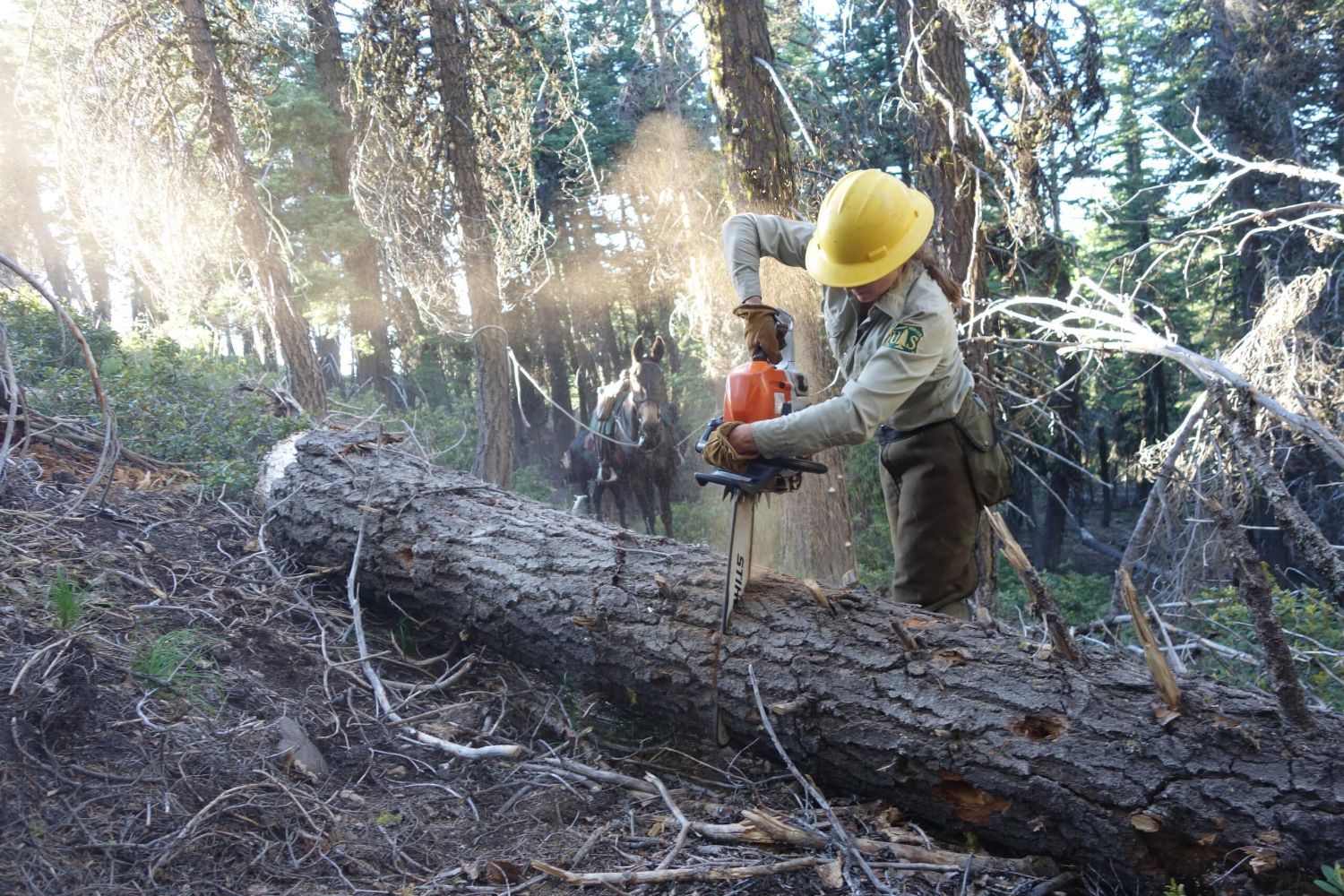
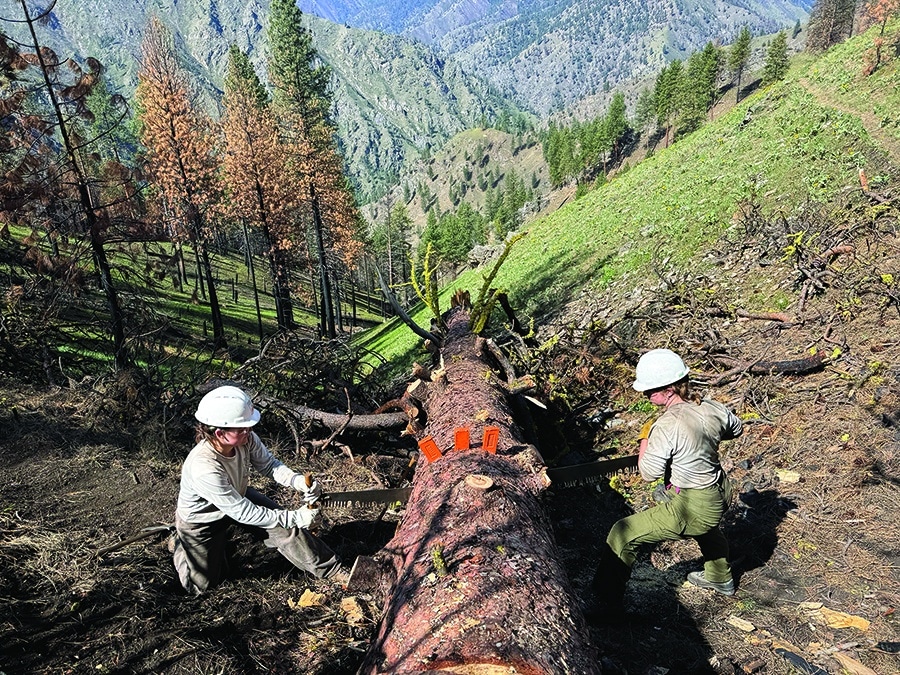
Wilderness Watch recently intercepted a letter from the Idaho Outfitters and Guides Association (IOGA) to U.S. Forest Service Chief Tom Schultz requesting permission to use chainsaws in Wilderness in Idaho for trail maintenance. In response, Wilderness Watch reached out to the Salmon-Challis National Forest, but we were effectively stonewalled. While Forest Supervisor Heather Degeest admitted that the agency had been in communications with outfitters and was “conducting analysis,” she refused to elaborate on the type of analysis, whether there would be public involvement, or any further details about the agency’s communications with the IOGA. Meanwhile, Wilderness Watch members continued to reach out with tips that led us to believe that this effort was not limited to Idaho but had national implications. Sure enough, documents we obtained through the Freedom of Information Act (FOIA) indicate that the Forest Service wasn’t being forthright and that Supervisor Degeest and her colleagues knew significantly more about the proposal than what we were led to believe. The Idaho proposal is part of a nationwide effort to let outfitters run chainsaws through Wilderness and the Wilderness Act. According to internal emails, the agency is bringing in an outside contractor to “help address the chainsaws in wilderness issue at the national scale.” But this is a very simple issue: chainsaws are not allowed except under extremely limited circumstances. There is no need to waste tax dollars on outside consultation—the Wilderness Act lays it out for us. Chainsaws are the antithesis of wildness. The development of the chainsaw coincided with the evolution of the wilderness idea during the first half of the 20th century, in a race of forest preservation against industrial consumption. For a small amount of land in the United States, Wilderness won. Now certain groups who prefer the smell of gasoline and engine grease to pine sap and fresh soil, would like to haul these machines into the Wilderness. This isn’t a matter of convenience (lugging gas cans and chainsaws into the backcountry is far less efficient than using a crosscut); it’s a matter of domination. Unfortunately, this is only the latest in a growing trend of wilderness-degrading efforts on the part of many in the commercial outfitting industry in the West. This constituency, once an ally of Wilderness, has become one of its most dangerous threats. Whether it’s demanding killing more wolves and bears to artificially inflate elk and deer numbers, promoting more aircraft use, insisting on large developed campsites and overbuilt pack trails and now running chainsaws in Wilderness, many outfitters now only see economic and recreation value in Wilderness rather than the value of untrammeled wildness. It is hard to separate this issue from the recent, relentless attacks on public participation and the National Environmental Policy Act (NEPA)—the law requiring public oversight in agency decision making. It is not a coincidence that this attack on Wilderness was proposed as the current administration was carrying out unprecedented assaults on public lands protections. Unfortunately, agencies like the Forest Service have proven, yet again, that without legal guardrails, they will not conduct their work with transparency and accountability. The outfitters argue that chainsaws are now necessary, because the Forest Service is failing in their obligation to maintain trails. This problem was self-created by the agency’s leadership and the current administration. For decades, the Forest Service has cut packstrings and wilderness rangers, before the current administration drove the final nails in the coffin. Now, the only solution being offered is more chainsaws in Wilderness. It is important that we put pressure on the agencies to become more transparent and honest with the public who fund their coffers. If the Forest Service is considering an act so brazen as allowing widespread chainsaw use in Wilderness, the public has the right to know about it. We recommend you reach out to their offices and let them know you do not approve of chainsaws chewing through Wilderness. |